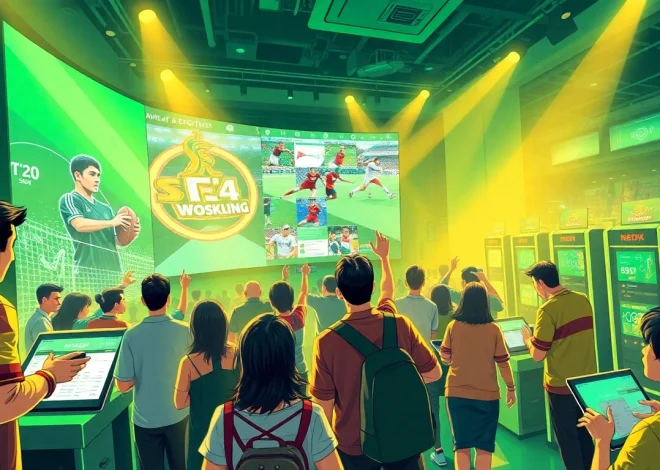

Enhancing Viewer Engagement through Effective Sports Broadcasting
Understanding Sports Broadcasting Basics
What is Sports Broadcasting?
Sports broadcasting is the dissemination of sports content via radio, television, internet, and more recently, mobile devices. This form of broadcasting provides fans with live coverage of sporting events, analysis, interviews, and highlights. The primary goal is to deliver engaging sports-related content to audiences, allowing them to connect with their favorite teams and players. In today’s world, the importance of Sports Broadcasting extends beyond just entertainment; it plays a crucial role in shaping sports culture and influencing fan engagement.
The Evolution of Sports Broadcasting
The history of sports broadcasting dates back to the early 20th century, starting with radio broadcasts of sporting events. By the 1930s, television emerged as a new medium, revolutionizing the way fans experienced sports. Major events like the Olympics and the Super Bowl began to attract large television audiences, establishing the importance of sports broadcasting as a viable business. In recent years, the shift from traditional broadcasting methods to digital platforms has transformed the sports broadcasting landscape, allowing for live streaming and on-demand content.
Key Roles in Sports Broadcasting
Sports broadcasting involves a diverse range of roles, each contributing to the overall production and delivery of sports content. Key roles include:
- Play-by-Play Announcer: Provides a live account of the event, offering vivid descriptions and insights.
- Color Commentator: Offers expert analysis and context to enhance the viewer’s understanding of the game.
- Producer: Oversees the entire broadcast operation, including coordination of camera angles, timing, and content delivery.
- Field Reporters: Provide updates from the sidelines or locker rooms, giving fans insider access during games.
Technology’s Impact on Sports Broadcasting
Live Streaming Innovations
The rise of the internet has fundamentally changed sports broadcasting, particularly with the advent of live streaming. Fans now have access to games on various devices, including smartphones, tablets, and smart TVs. Companies have developed apps and services that allow users to watch games live, contributing to a more interactive experience. Innovations like 4K HDR streaming have further enhanced visual quality, making viewing more immersive than ever.
Data Analytics in Sports Broadcasting
Data analytics plays a pivotal role in modern sports broadcasting, providing crucial insights that inform commentary and enhance viewer experience. Broadcasters analyze player statistics, game performance metrics, and historical data to deliver informed discussions. Advanced graphics showcasing statistics in real-time during broadcasts have become common, allowing fans to engage with the data visually and intellectually.
The Role of Social Media
Social media platforms have transformed the way sports broadcasting reaches audiences. Fans engage with teams and players via platforms like Twitter, Facebook, and Instagram, providing real-time reactions and content sharing. Broadcasters leverage these platforms to enhance their reach and provide complementary coverage that adds depth to traditional broadcasts. This integration fosters a community around sports, making fans feel more connected and involved.
Audience Engagement Strategies in Sports Broadcasting
Interactive Viewing Experiences
Interactive viewing experiences have become increasingly popular, allowing fans to participate in live broadcasts. Options such as watch parties, live polls, and interactive chats enable audiences to engage actively, rather than passively consuming content. Furthermore, features like multiple camera angles and instant replays tailored to viewer preferences enhance engagement and satisfaction.
Personalization for Fans
Personalization is another key strategy in audience engagement. Broadcasters utilize algorithms to curate content based on individual preferences, offering tailored highlights and relevant information. This customization helps retain viewer interest and promotes loyalty to specific broadcasts, as fans are more likely to engage with content that resonates with their interests.
Enhanced Commentary Techniques
Innovative commentary techniques have emerged to keep viewers engaged. The incorporation of storytelling, humor, and relatable anecdotes into commentary makes broadcasts more enjoyable. Broadcasters are increasingly using diverse voices and perspectives, including notable athletes and influencers, to appeal to a broader audience and build a deeper emotional connection with fans.
Challenges in Sports Broadcasting
Content Licensing and Rights Issues
One of the most significant challenges in sports broadcasting is navigating the complex landscape of content licensing and rights management. Securing broadcasting rights for various sports leagues and events can be a costly endeavor, often leading to fierce competition among broadcasters. Furthermore, legal disputes can arise from broadcasting outside the agreed-upon territories or timeframes, complicating live coverage efforts.
Maintaining Broadcast Quality
Broadcast quality is paramount in sports broadcasting, as viewers expect high-definition visuals and clear audio. Technical failures, such as connectivity issues, latency, and poor production quality, can significantly impact viewer experience. Broadcasters must continually invest in technology and infrastructure, ensuring redundancy and reliability while delivering crisp, dynamic, and engaging content.
Adapting to Viewer Preferences
The rapidly evolving preferences of sports audiences pose a perpetual challenge to broadcasters. With shifting demographics and increasing competition from alternative forms of entertainment, understanding viewer needs is crucial. Broadcasters need to stay updated with trends, preferences, and feedback to adapt their content accordingly, ensuring continued relevance and viewer loyalty.
Future Trends in Sports Broadcasting
Artificial Intelligence and Broadcasting
The integration of artificial intelligence (AI) technologies promises to reshape sports broadcasting significantly. AI analysis can pinpoint patterns in game play and deliver real-time insights that enhance commentary. Further, AI can automate tasks like highlight creation and content distribution, streamlining operations and allowing broadcasters to focus more on the creative aspects of their work.
Virtual and Augmented Reality Solutions
Virtual reality (VR) and augmented reality (AR) are set to transform how fans experience sports. VR can provide immersive perspectives from within stadiums, while AR enhances broadcasts with layered statistics and game scenarios projected onto live footage. As these technologies become more refined and accessible, they are positioned to revolutionize the viewer’s interaction with sports content.
Predictions for Audience Interaction
As technology advances, audience interaction will likely become even more integrated into sports broadcasting. Future predictions suggest an increase in fan-driven content, real-time feedback mechanisms, and a greater emphasis on community-building. By leveraging technology, broadcasters can turn passive viewers into active participants, enriching the overall sports experience.
Frequently Asked Questions
What is the primary goal of sports broadcasting?
The main goal of sports broadcasting is to deliver live coverage and engaging content about sporting events, allowing fans to connect with their favorite sports and athletes.
How has technology transformed sports broadcasting?
Technology has introduced live streaming, data analytics, and interactive features, enabling enhanced viewer experiences and expanding the reach of sports content.
What challenges do sports broadcasters face?
Broadcasters face challenges such as content licensing issues, maintaining broadcast quality, and adapting to changing viewer preferences in a competitive landscape.
How does social media impact sports broadcasting?
Social media sharpens engagement, giving fans platforms to share experiences, while broadcasters use it to expand reach and complement their traditional broadcasts.
What does the future hold for sports broadcasting?
The future includes advancements in artificial intelligence, virtual and augmented reality, and enhanced audience interaction, reshaping fan experiences sustainably.